
You can check if your SEO is working by monitoring key indicators like organic traffic, keyword rankings, and user engagement. Tools like Google Analytics, Google Search Console, and other SEO software help track performance over time. Consistent improvements in these areas indicate your SEO strategy is effective.
Key Takeaways
-
 SEO success is measured through organic traffic, keyword rankings, and engagement metrics.
-
Tools like Google Analytics and Search Console provide clear insights into performance.
-
Tracking over time is essential to see if strategies are producing results.
-
Monitoring helps identify areas for improvement and ensures your SEO stays effective.
-
Regular checks prevent small issues from becoming major ranking problems.
Why Tracking SEO Performance Is Important
Monitoring SEO performance is critical because it helps you understand whether your efforts are actually producing results. Without tracking, you won’t know which strategies drive traffic, which pages rank well, or where improvements are needed.
Key reasons to track SEO performance:
- Measure ROI: See if your SEO efforts are generating traffic, leads, or sales.
- Identify Strengths and Weaknesses: Understand which keywords, pages, or strategies are performing well and which need optimization.
- Optimize Strategy Over Time: Tracking allows data-driven decisions, improving your site gradually rather than guessing.
- Stay Ahead of Competitors: Monitoring rankings and trends ensures you can respond to changes in your industry.
Consistent monitoring ensures your SEO investment is effective and continuously improving.
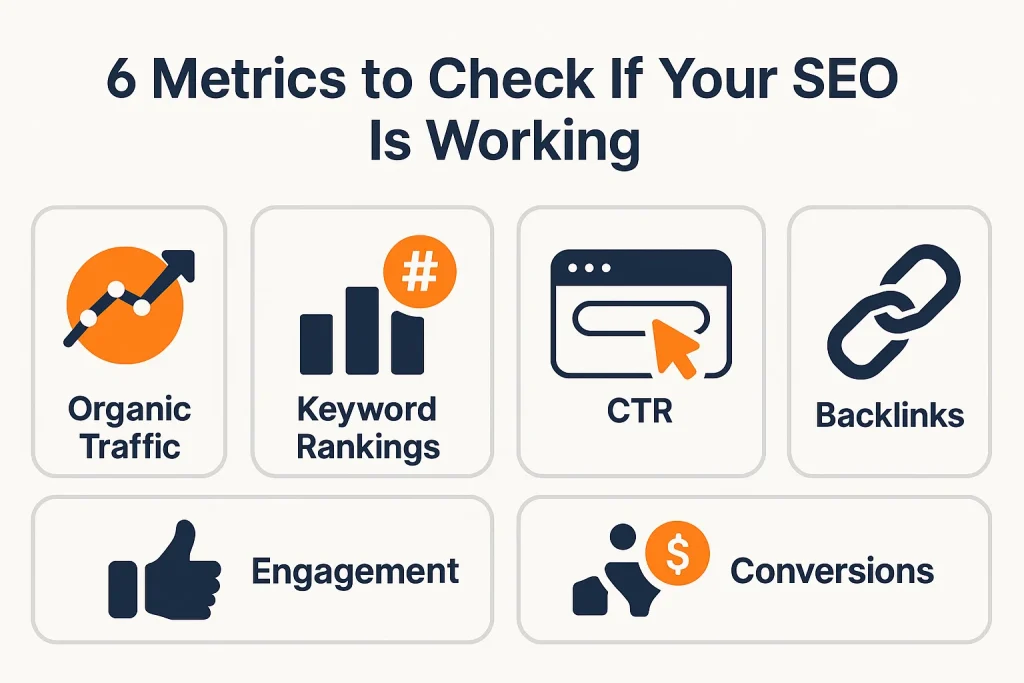
6 Key Metrics to Monitor for SEO Success
To determine if your SEO is working, focus on these essential metrics:
- Organic Traffic: Track how many visitors come from search engines. Consistent growth indicates SEO success.
- Keyword Rankings: Monitor your target keywords to see if they are moving up in search results.
- Click-Through Rate (CTR): Check how often users click your links in search results. Higher CTR means better optimization.
- Bounce Rate & Time on Page: Low bounce rates and longer sessions suggest engaging content.
- Backlinks: High-quality backlinks improve authority and rankings. Track new and lost links regularly.
- Conversions & Goals: Measure leads, sign-ups, or purchases coming from organic traffic to evaluate ROI.
Tracking these metrics gives a clear picture of your SEO effectiveness and areas that need improvement.
Tools to Check If Your SEO Is Working
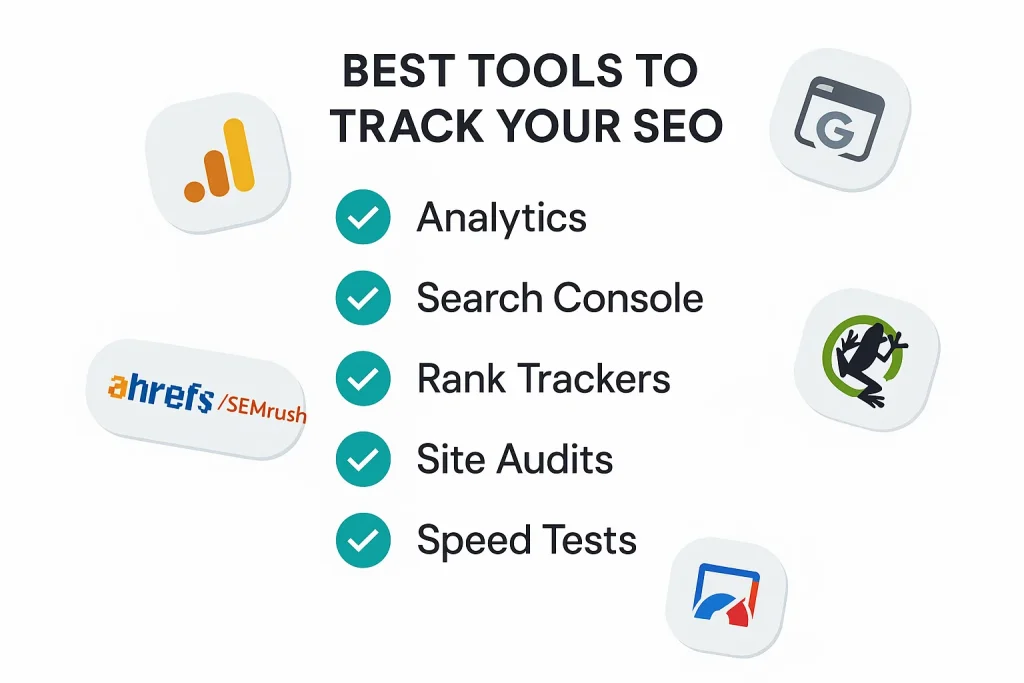
Using the right tools makes tracking SEO easier and more accurate. Some essential tools include:
- Google Analytics: Measures organic traffic, user behavior, conversions, and engagement metrics.
- Google Search Console: Tracks keyword performance, impressions, clicks, indexing issues, and mobile usability.
- Ahrefs / SEMrush / Moz: Provides keyword rankings, backlinks, competitor analysis, and site audit reports.
- Screaming Frog SEO Spider: Checks on-page SEO, broken links, metadata, and technical issues.
- PageSpeed Insights / GTmetrix: Monitors page load speed and performance metrics that affect SEO.
These tools provide data to help you assess SEO performance and make informed decisions for continuous improvement.
How to Analyze Keyword Rankings
Keyword rankings reveal how well your content performs in search results. Here’s how to track them effectively:
- Select Target Keywords: Focus on primary and secondary keywords relevant to your business.
- Monitor Regularly: Track rankings weekly or monthly to spot trends and improvements.
- Segment by Page: Check which pages rank for which keywords to identify high-performing content.
- Compare With Competitors: See how your rankings stack up against competitors to adjust strategy.
- Use Tools: Platforms like SEMrush, Ahrefs, or Google Search Console make ranking tracking simple.
Analyzing keyword rankings helps you measure progress, optimize content, and prioritize SEO efforts effectively.
Measuring Organic Traffic and Engagement
Organic traffic and user behavior show whether your SEO efforts are attracting and engaging visitors:
- Organic Traffic: Use Google Analytics to track visits coming from search engines. Growth indicates effective SEO.
- Pages per Session: Higher pages per session suggest users find your content valuable and explore your site.
- Average Session Duration: Longer sessions show engagement with your content.
- Bounce Rate: A lower bounce rate indicates visitors are interacting rather than leaving immediately.
- Conversions From Organic Traffic: Track form submissions, purchases, or sign-ups from search visits to measure ROI.
By analyzing these metrics, you can see the real impact of SEO beyond rankings alone.
5 Common SEO Mistakes That Can Skew Results
Even if you track metrics, certain mistakes can make your SEO appear less effective than it really is:
- Not Tracking Correctly: Improper setup of Google Analytics or Search Console can give inaccurate data.
- Ignoring Technical Issues: Slow pages, broken links, or mobile problems can reduce SEO effectiveness.
- Focusing Only on Rankings: High rankings are good, but if traffic and engagement don’t follow, SEO isn’t fully working.
- Neglecting Content Updates: Outdated content can lose rankings even if SEO was initially strong.
- Overlooking Backlinks: Failing to monitor or build high-quality links can limit organic growth.
Avoiding these mistakes ensures your SEO tracking gives a true picture of performance and helps you make better decisions.
Final Thoughts: Regular Monitoring Ensures SEO Success
Checking if your SEO is working is essential to measure performance, improve strategy, and maximize ROI. By tracking organic traffic, keyword rankings, engagement metrics, and conversions, you can see which efforts are producing results and where adjustments are needed.
Using the right tools and avoiding common mistakes ensures your SEO strategy remains effective over time. Consistent monitoring not only shows progress but also helps your website stay competitive and visible in search results.
How to Check if Your SEO Is Working
How do I know if my SEO is working?
Track key metrics like organic traffic, keyword rankings, bounce rate, time on page, and conversions. Consistent improvement indicates SEO is effective.
Which tools are best to monitor SEO performance?
Google Analytics, Google Search Console, SEMrush, Ahrefs, Moz, and Screaming Frog are commonly used to track SEO results.
How often should I check SEO results?
Regular monitoring is essential. Most businesses track SEO monthly, while some metrics like rankings can be monitored weekly.
Can SEO results be immediate?
No, SEO takes time. Rankings, traffic, and conversions typically improve gradually over weeks or months.
What if I see rankings increase but traffic stays the same?
This can happen if users aren’t clicking your listings. Analyze CTR, meta titles, and descriptions to improve click-throughs.
How do I know which SEO strategies are working best?
Track metrics per page, keyword, and campaign. This data shows which strategies drive traffic, engagement, and conversions.
Ensure Your SEO is Truly Working with Expert Help
Monitoring SEO can be complex, and accurate analysis is key to growth. SEO Specialist USA helps businesses track performance, analyze keyword rankings, measure organic traffic, and optimize strategies for maximum results.
Our team ensures your SEO efforts deliver real traffic, higher engagement, and measurable ROI, giving you peace of mind and growth you can count on.